100% OEM Factory Finish
From BASF; The most OEM approved paintline in the world
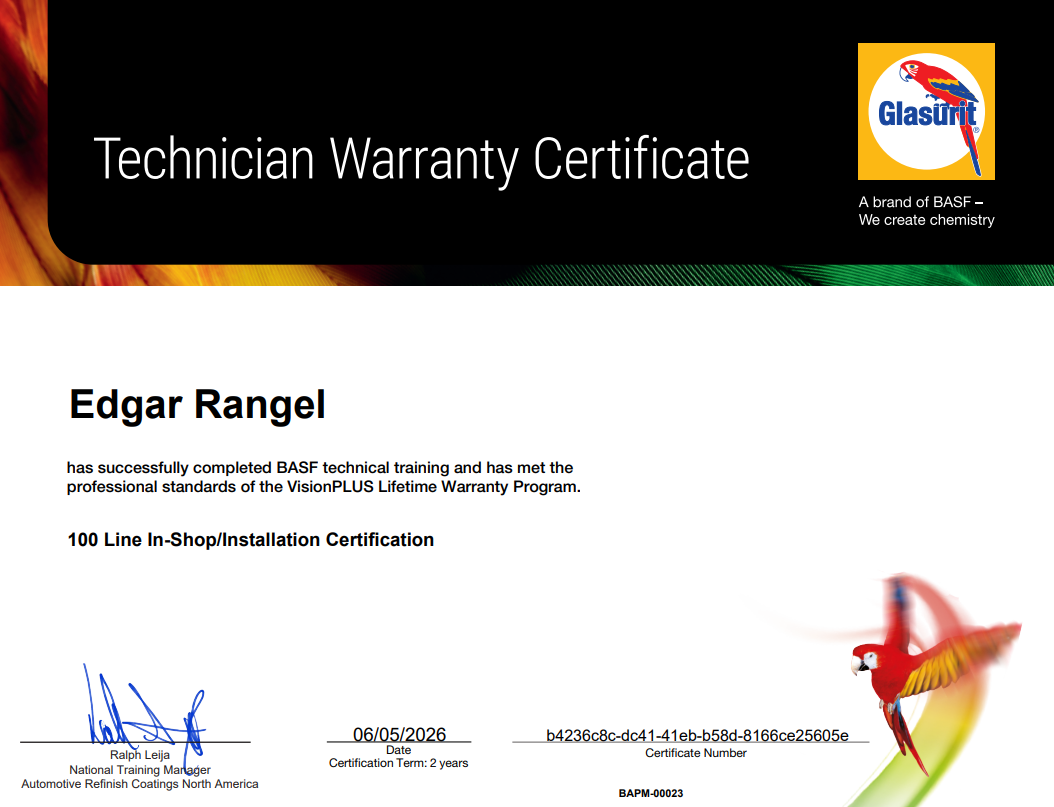
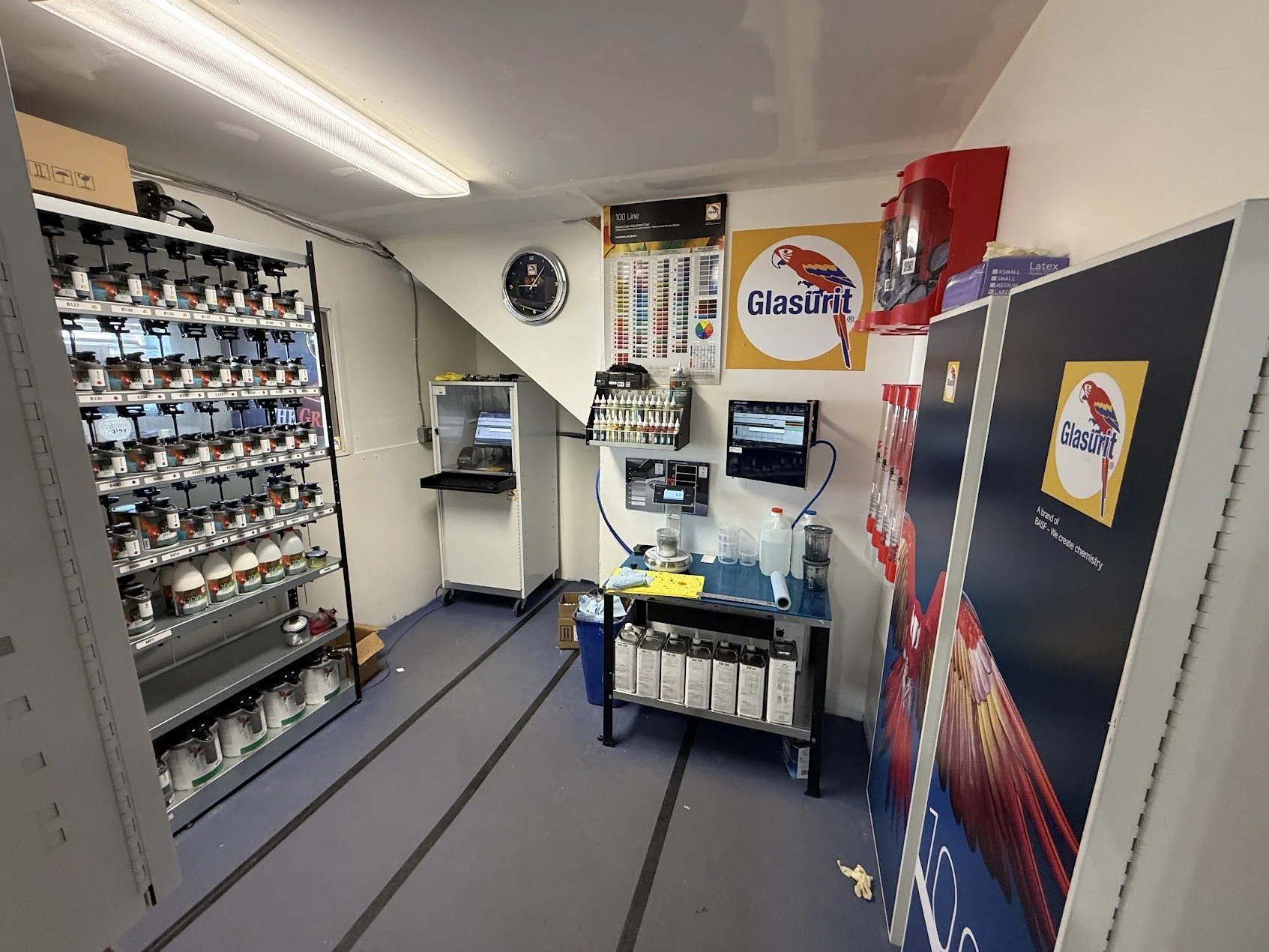
At The Great Auto Body, we prioritize quality craftsmanship along with quality paint. We proudly use Glasurit 100L from BASF.
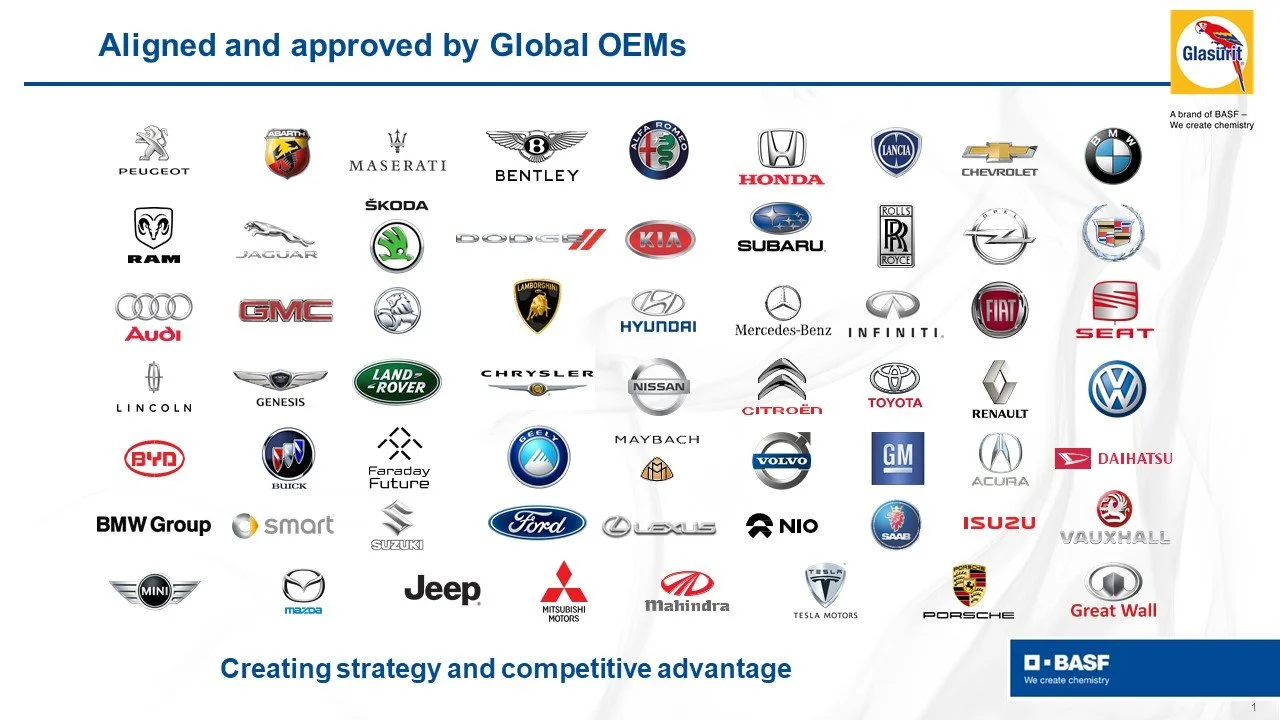
Glasurit is one of the most prestigious paint systems in the entire world, able to flawlessly match the color of any automobile. Glasurit is proudly approved by BMW, Mercedes, Porsche, Acura, Toyota, Mazda, Subaru, Audi, Ford, General Motors, FCA, Tesla, Nissan, Lexus, and many more.
The Paint Process
Panel Preparation
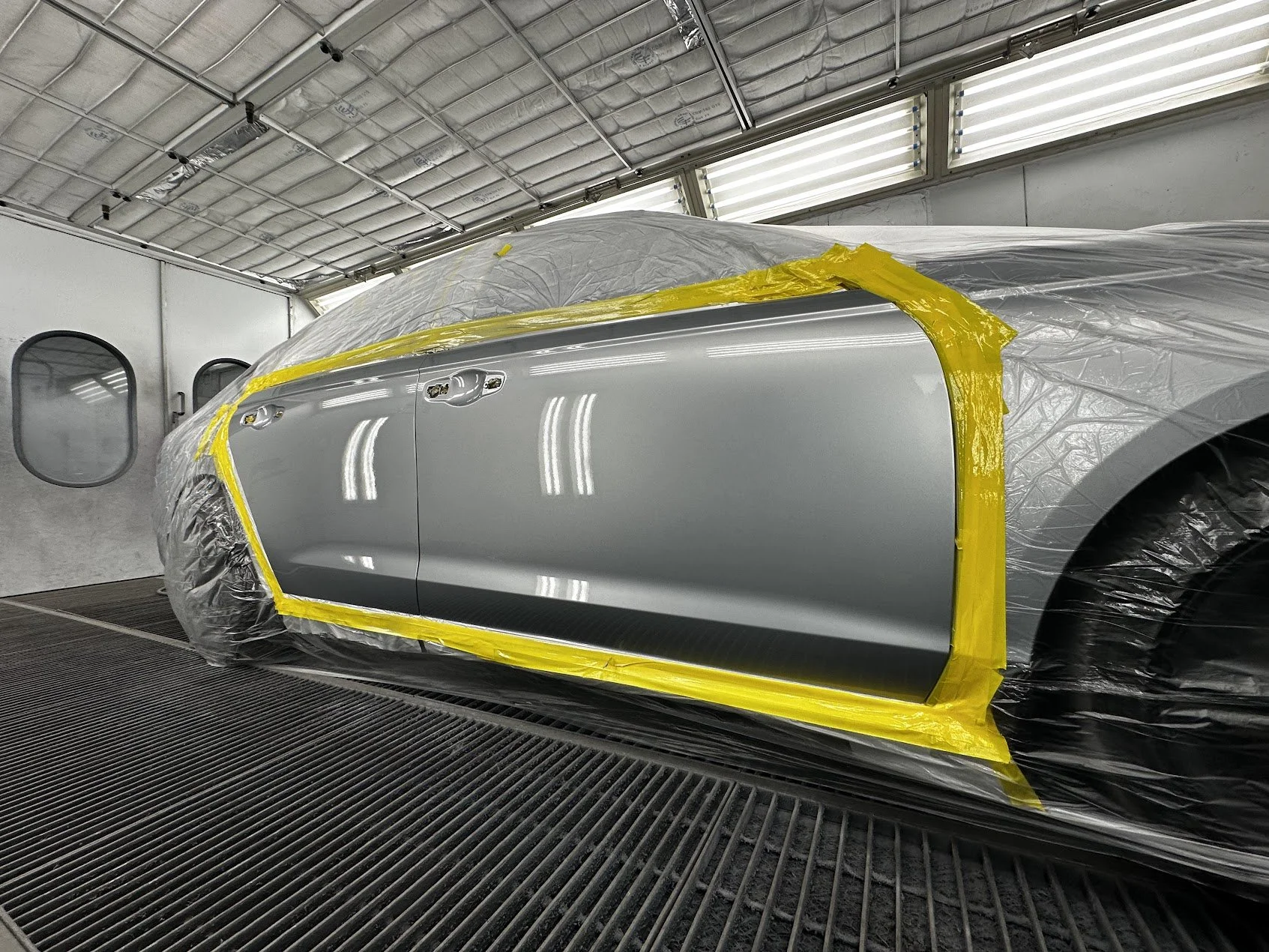
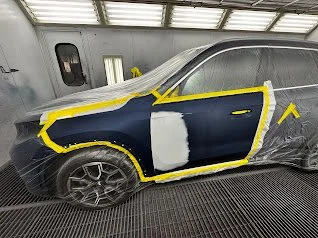
The beginning of any paint process begins with the proper decontamination of any impurities. After proper cleaning, and any prep work, the car is masked inside and out to protect the entire car from overspray in unwanted areas.
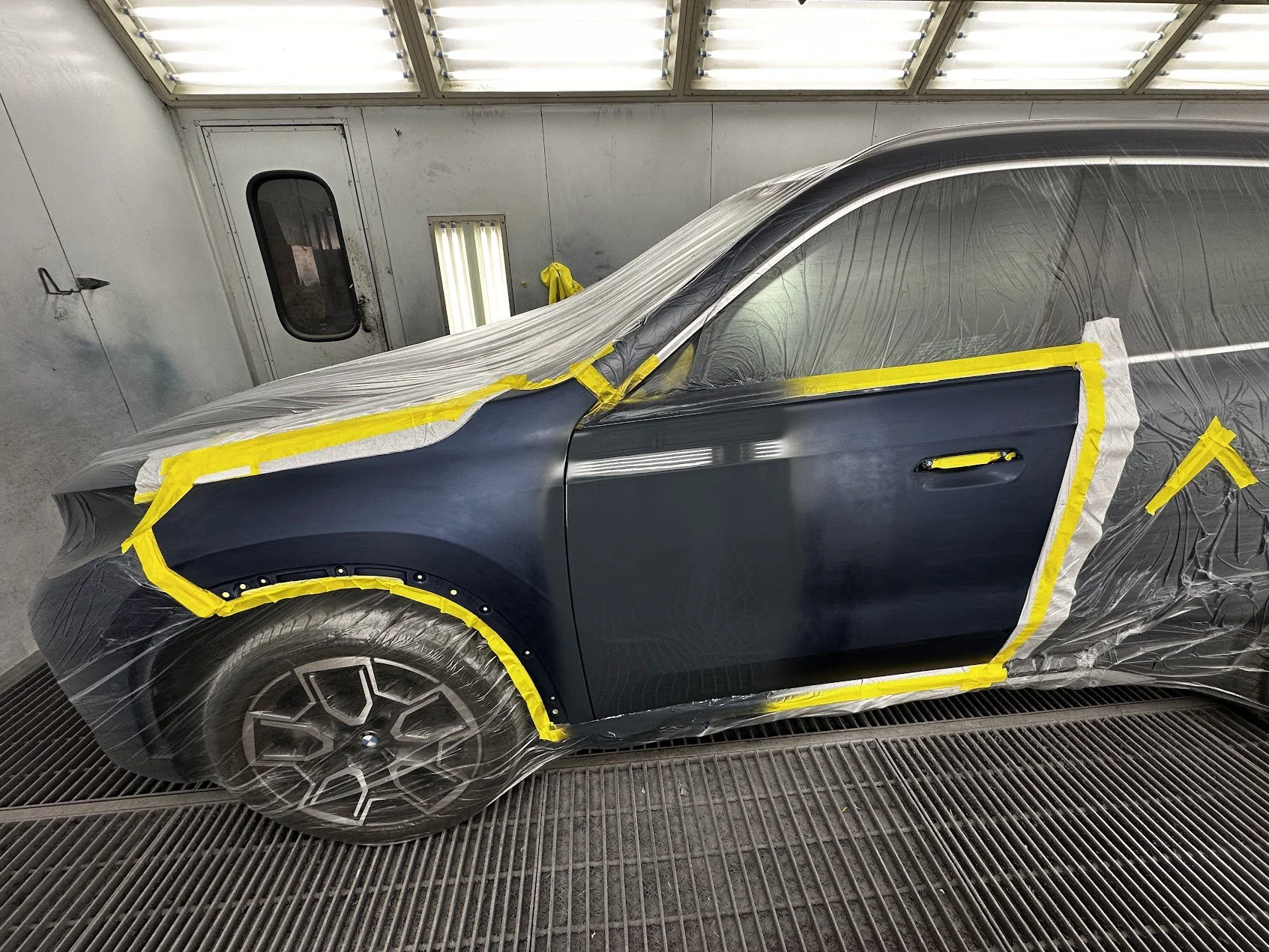
Substrate Application
Before the application of any paint, a proper substrate must be prepared. Any exposed metal or plastic is coated with special primers to prevent corrosion and promote adhesion to the panel. Repair areas/ new panels are then coated with primer/sealer to create an even surface to promote a uniform finish for the paint application and create a proper ground coat for color opacity.
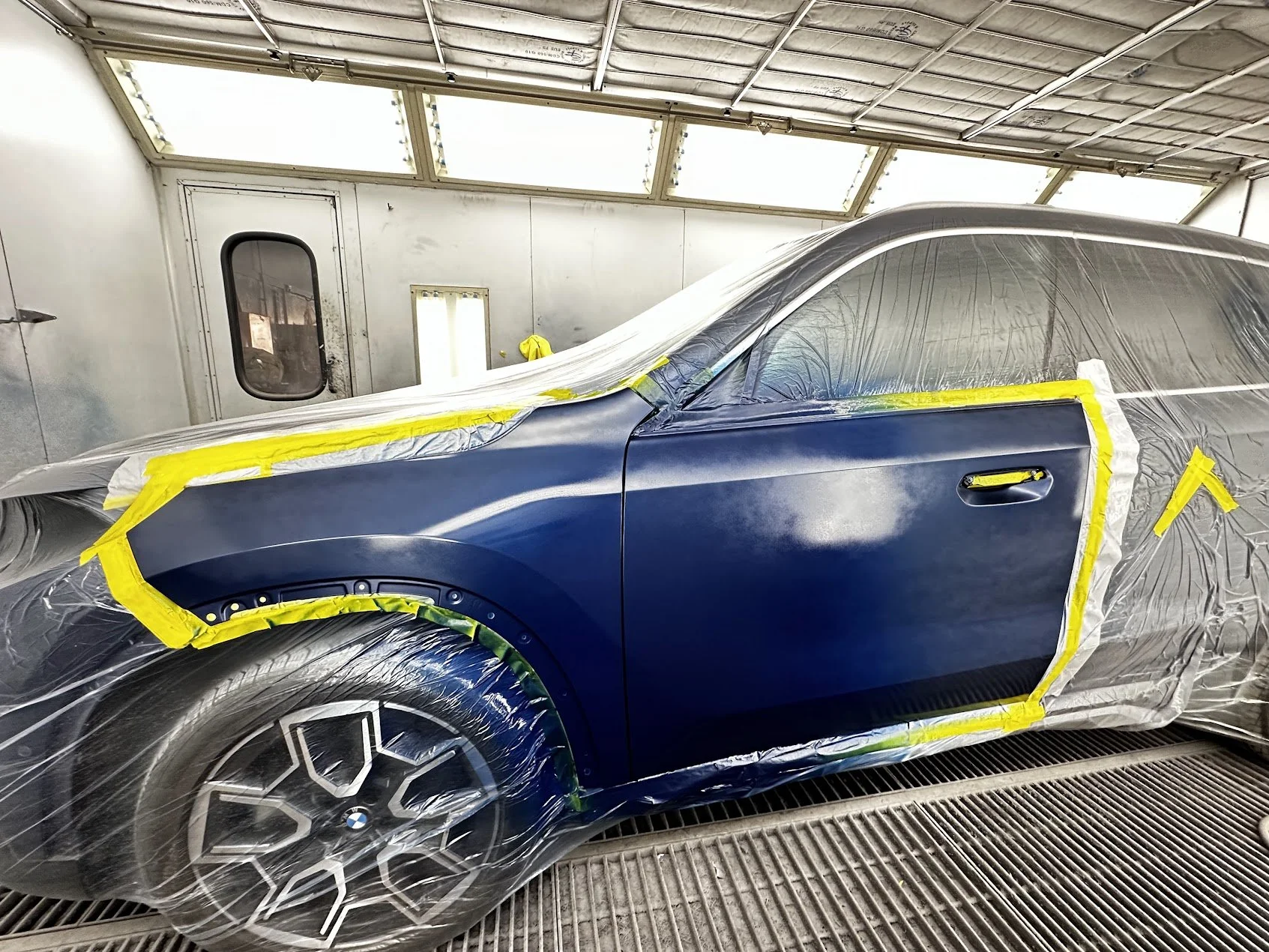
Base Coat Application
Our Low V.O.C waterbase basecoat is applied to the surface where the repair area is located. Unless painting a full panel, the basecoat is used to blend out away from the repair, making the substrate coated with the color coat. This process is finished when the water evaporating from the paint, leaving a dull/flat finish.
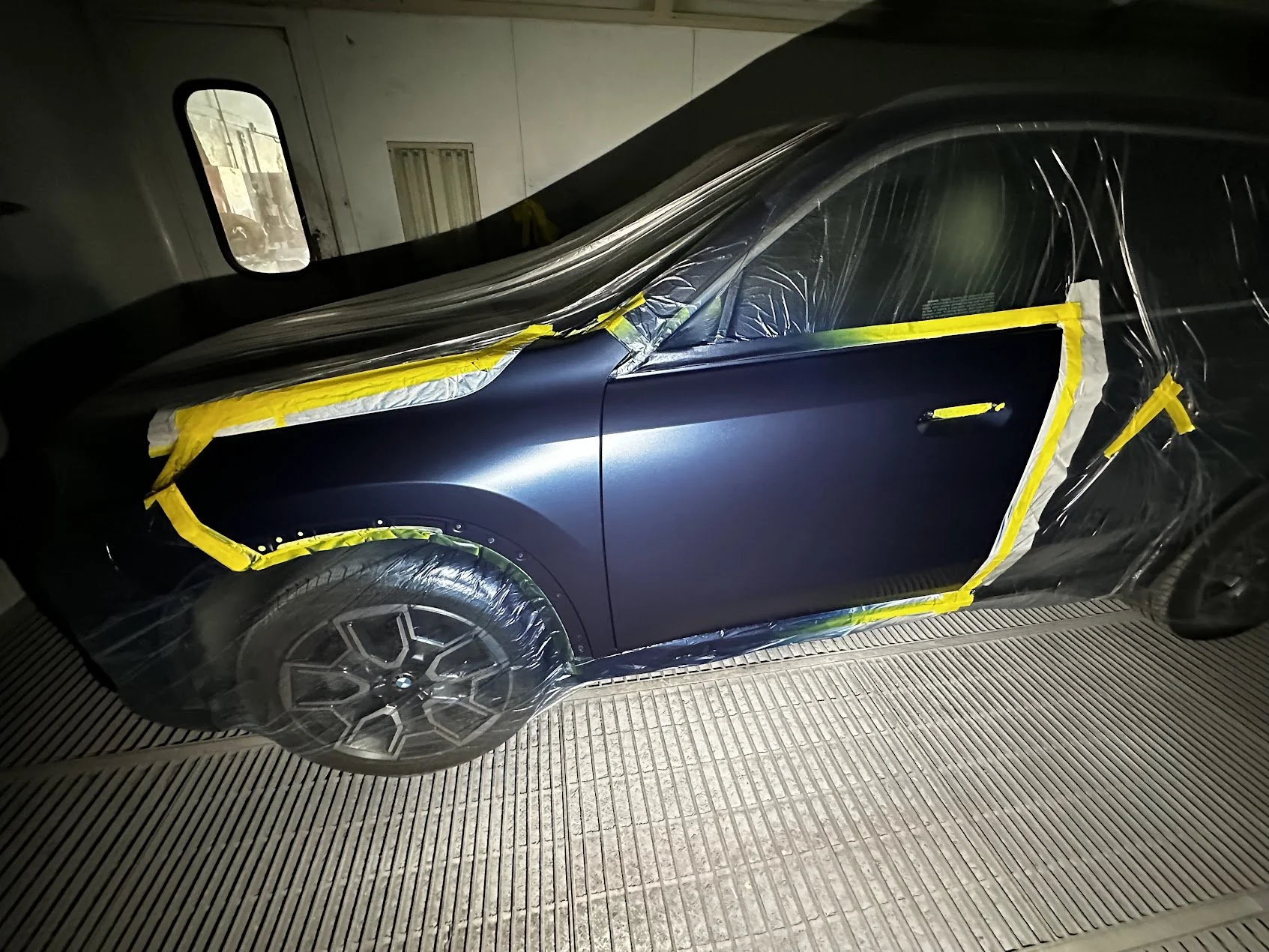
Base Coat application 2
After 2-3 coats of the color pigment, it is fully evaporated and checked for opacity with specialized lights that replicate sun light. After Basecoat is verified to be applied correctly, it is now ready for Clear coat application.
Clear Coat Application
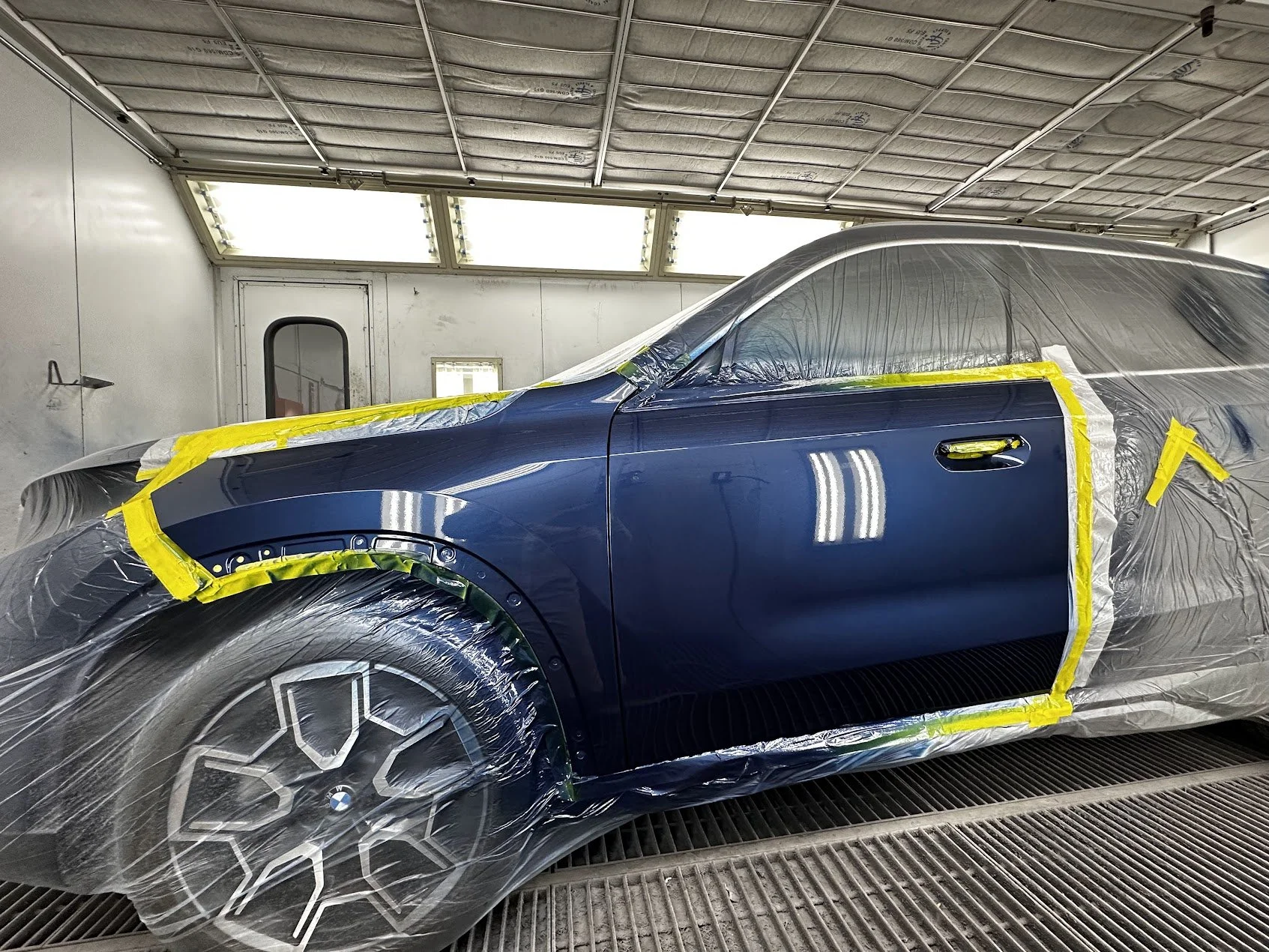
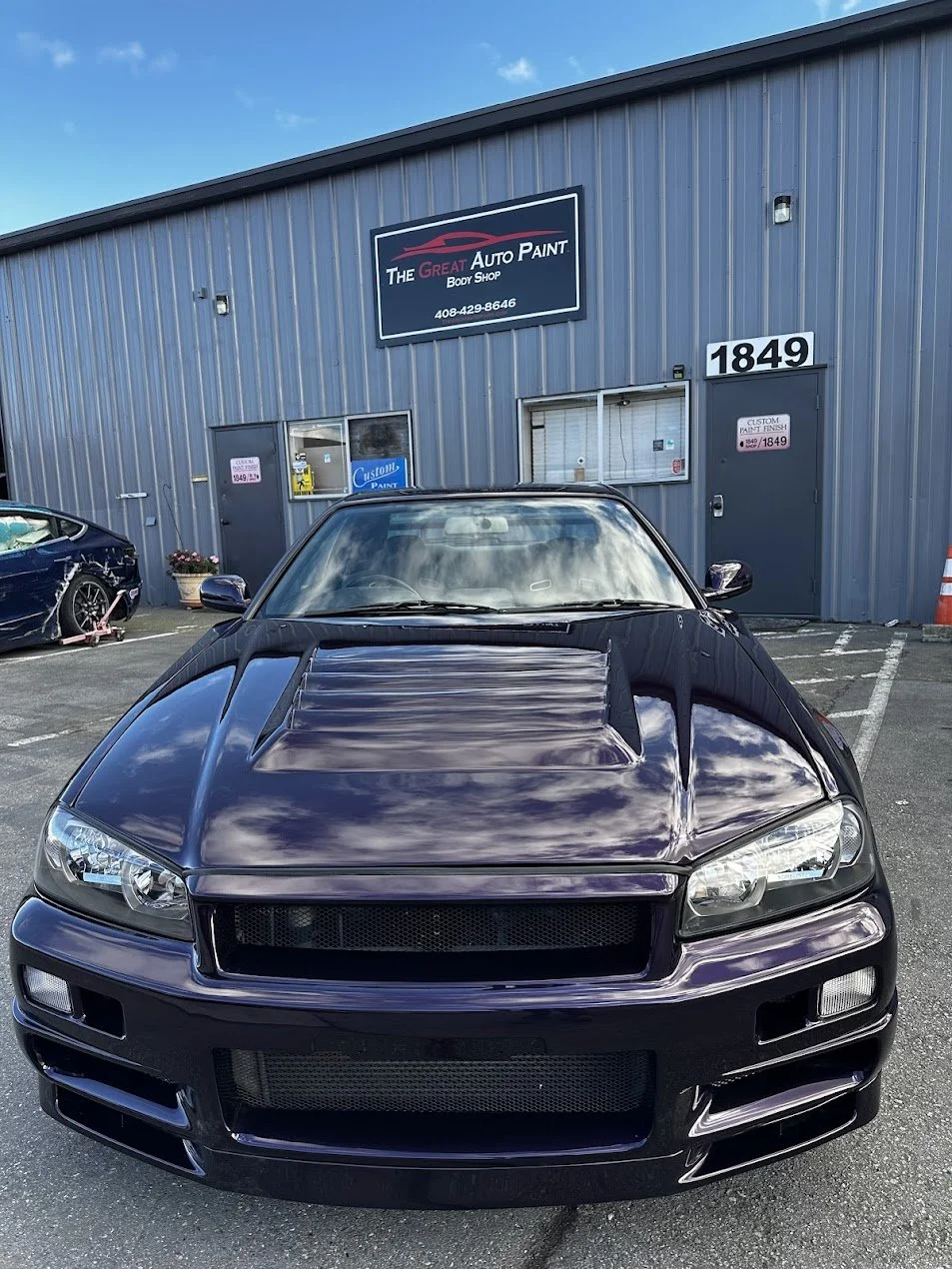
The last step in paint application is the clear coat. Clear coat is composed of resins, solvents, and a hardener. A proper application leaves a smooth glossy finish that replicates the rest of OEM paint. Upon drying, the solvents evaporate from the clearcoat, creating a layer of UV protection at the surface of the clear coat.
Baking cycle
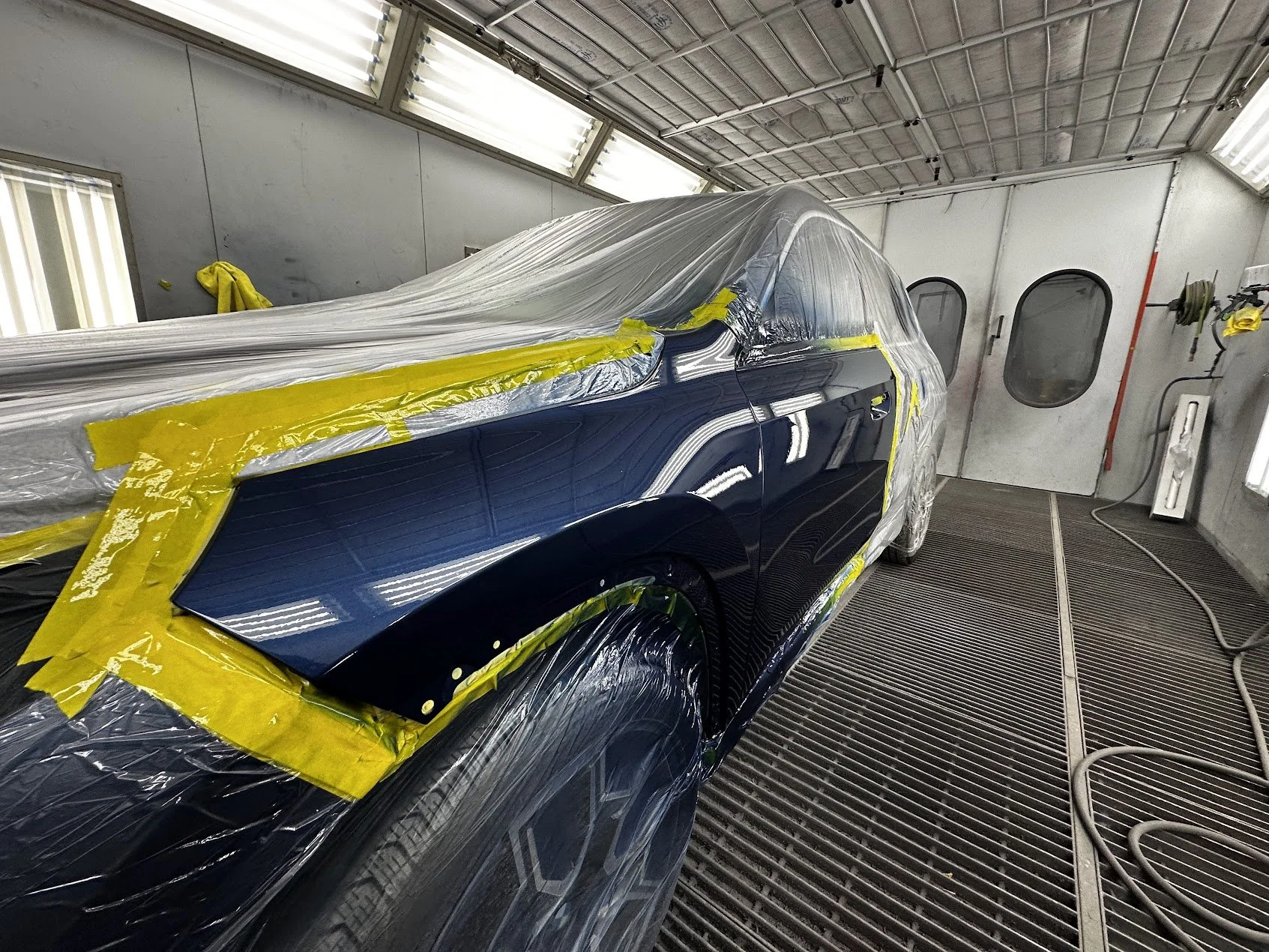
After a paint job is done, it is baked to 140 degrees F. This allows for the paint to be fully cured to handle and assemble back together for final delivery. Waxing and automated washing are not recommended for at least 2 weeks for paint to fully harden.